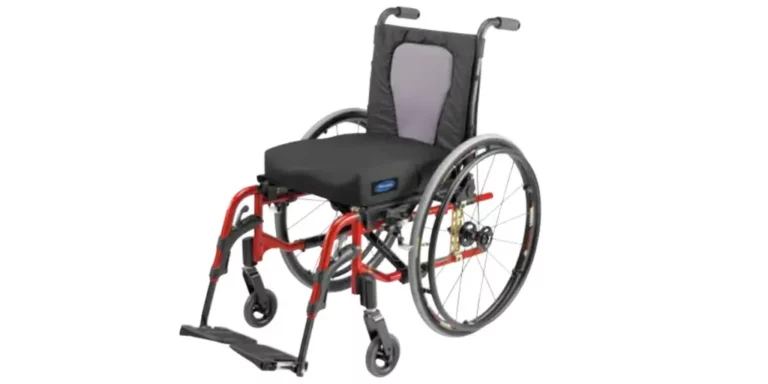

Choosing the Correct Seat Width and Depth for Manual Wheelchairs
Key Takeaways
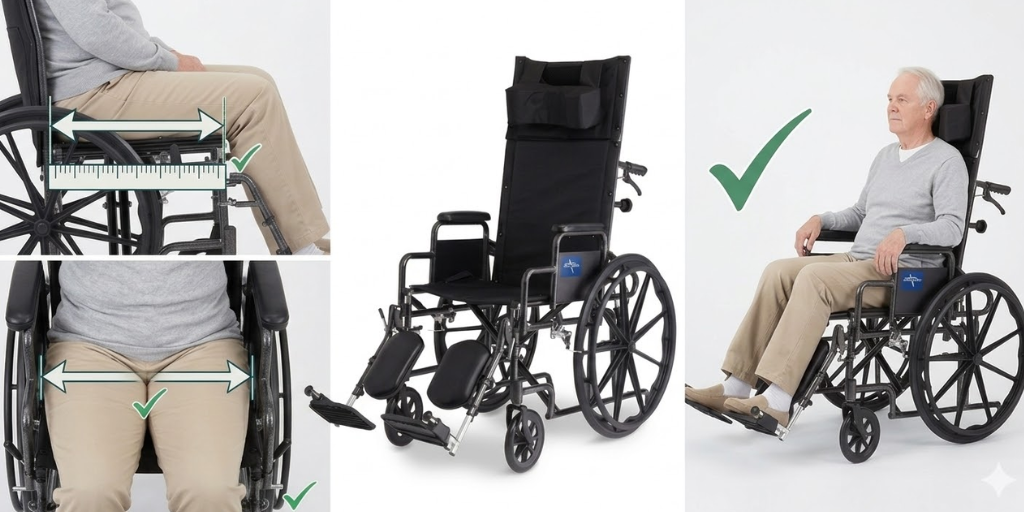
- The Two-Finger Rule: For the correct width, there should be about an inch of space (two fingers) between your hips and the side of the chair.
- Avoid Pressure: Proper seat depth prevents the upholstery from digging into the back of your knees, which can restrict circulation.
- Material Matters: Choosing between aluminum and steel affects both the weight of the manual wheel chair and its long-term durability
- Insurance Coverage: Medicare Part B typically covers manual wheelchairs at 80% of the approved cost if they are medically necessary for use inside the home.
Choosing the correct dimensions for a manual wheel chair is the most important step in ensuring long-term comfort and preventing skin issues. A chair that is too narrow can cause pressure sores, while one that is too wide makes it difficult to self-propel.
Below is a guide to measuring for medicare approved manual wheelchairs to ensure your equipment fits your body and your home.
Essential Measurements for a Perfect Fit
A) Seat Width – Seat width is determined by measuring the widest part of your hips or thighs while sitting on a flat, firm surface
- The Calculation: Take the widest measurement and add 1 to 2 inches
- Standard Sizing: Most medicare approved manual wheelchairs come in standard widths: 16″ (Narrow), 18″ (Standard), and 20″ (Wide).
- The Goal: A snug fit provides postural support. If the seat is too wide, you will likely slump to one side, leading to spinal misalignment and shoulder strain when reaching for the wheels.
If you are still weighing your options between different types of mobility devices, be sure to check out our comprehensive comparison of a power wheelchair vs. manual wheelchair to see which fits your lifestyle best.
B) Seat Depth – Seat depth is the distance from the back of the hips to the back of the knee.
- The Calculation: Measure from the back of your buttocks to the back of your knee while sitting, then subtract 2 inches
- The Goal: This ensures a gap between the seat edge and the “popliteal fold” (the crease behind your knee). Proper depth in manual wheelchairs distributes your weight across your thighs, preventing all the pressure from concentrating on your tailbone.
Frame Materials: Aluminum vs. Steel
When selecting a manual wheel chair, the frame material determines how easy it is to transport and how much weight it can support.
| Feature | Aluminum Frames | Steel Frames |
|---|---|---|
| Weight | Lightweight (25–35 lbs) | Heavier (35–50+ lbs) |
| Durability | Rust-resistant; great for outdoors | Extremely strong; impact-resistant |
| Best For | Active users & frequent travel | Bariatric needs & high-impact use |
| Propulsion | Easier to push independently | Can be more fatiguing to self-propel |
Maintenance and Safety Checklist
To keep your manual wheelchairs in top condition, follow this 2026 safety routine:
- Daily: Check that the brakes (wheel locks) engage firmly before every transfer.
- Weekly: Inspect tire pressure. Under-inflated tires make the chair much harder to push.
- Monthly: Wipe down the frame to prevent salt or dirt buildup. Check for loose bolts or “caster flutter” (shaking in the small front wheels).
- Cushion Care: Inspect your seat cushion for “bottoming out.” If you can feel the hard seat base through the foam, the cushion needs replacing to prevent pressure sores.
FAQ: Manual Wheelchair Selection
Q1: Does Medicare cover wheelchair accessories like cushions?
A: Yes. Medicare Part B covers medically necessary cushions and backrests (HCPCS codes E2601–E2625). They are not covered for “comfort” alone; your doctor must document a skin protection or positioning need
Q2: How do I know if the seat depth is correct once I'm in the chair?
A: You should be able to fit 2 to 3 fingers between the front edge of the seat and the back of your knee. If the seat is too deep, you will slouch to avoid the pressure, which causes back pain.
Q3: What is a "Standard Written Order"?
A: For medicare approved manual wheelchairs, your doctor must provide a formal prescription that includes your diagnosis, the specific type of chair, and its required dimensions (width/depth).
Q4: Can I get a lightweight chair through insurance?
A: Medicare covers “lightweight” (K0003) and “high-strength lightweight” (K0004) models if you can prove you cannot self-propel a standard-weight chair but can propel a lighter one.
Q5: Why is the overall width of the chair important?
A: While seat width is for your body, overall width is for your home. A standard chair is usually 24–27 inches wide. Always measure your bathroom and bedroom doorways (standard is 32 inches) to ensure the chair fits.