Custom Seating and Positioning: Why One Size Doesn't Fit All in Power Mobility
Key Takeaways
- Pressure Redistribution: Custom cushions and backrests are engineered to move weight away from bony prominences, drastically reducing the risk of skin breakdown.
- Postural Support: Proper positioning prevents the development of skeletal deformities, such as scoliosis or pelvic tilt, by providing “three-point” stability.
- Functional Alignment: When the pelvis and trunk are stabilized, users often find they have better head control and improved use of their arms and hands.
- Physiological Benefits: Correct seating can lead to better respiratory function, easier swallowing, and improved digestion by preventing “slumping” that compresses internal organs.
- Microclimate Management: Advanced materials in custom seating help manage heat and moisture, which are critical factors in maintaining skin integrity.
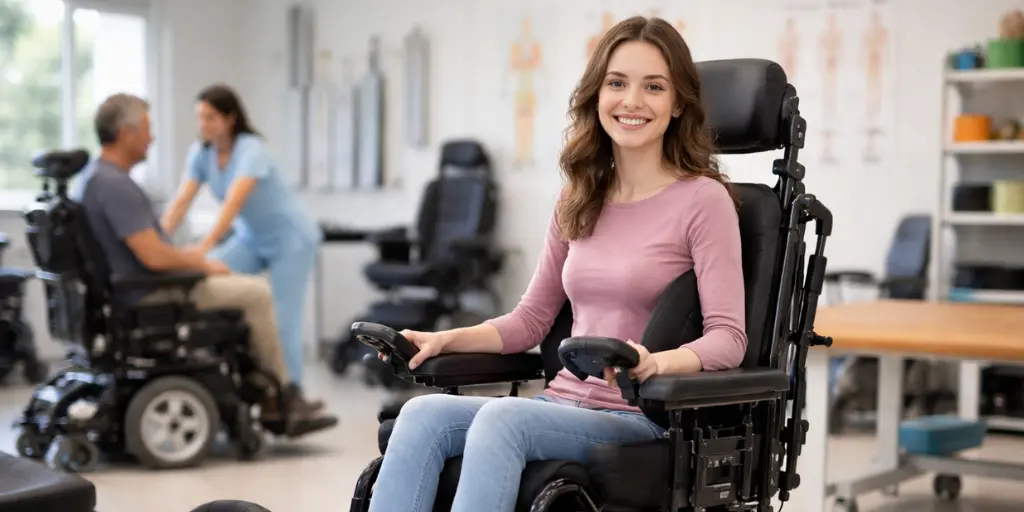
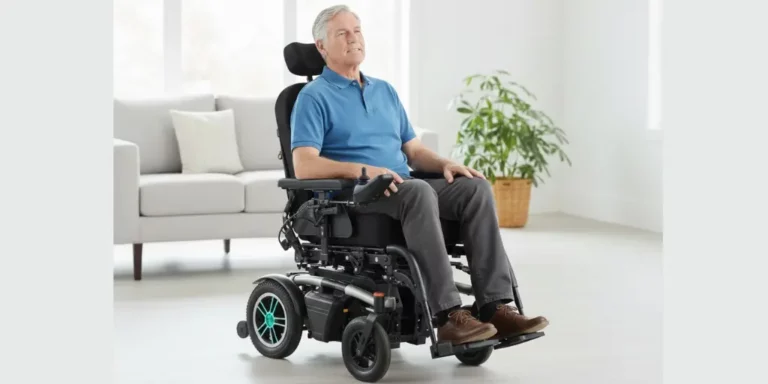
In the world of high-end mobility, the base and motor of a chair are only half of the story. While the power base provides movement, the seating system provides the foundation for health. For individuals with long-term mobility needs, a standard “captain’s chair” or a basic foam cushion is often insufficient to prevent medical complications.
Customized Wheelchair Positioning and Skin Protection is a medically tailored solution designed to match the unique contours and postural requirements of the user. This guide explores why precision positioning is vital for clinical outcomes and how the right seating system can transform your daily experience.
One size doesn’t fit all because no two bodies—or diagnoses—are exactly alike. A user with ALS may require a seating system that adapts to changing muscle tone, while a user with a spinal cord injury may need a high-immersion skin protection cushion to compensate for a lack of sensation.
By focusing on Wheelchair Positioning and Skin Protection, the equipment becomes an extension of the body, offering a degree of comfort and medical safety that a standard seat simply cannot replicate. Effective positioning also reduces “shear,” the friction caused when a user slides in their chair, which is one of the leading causes of deep tissue injury.
The Components of Custom Positioning
A truly custom seating system is built layer by layer during a specialty evaluation. Each component serves a specific clinical purpose.
A. The Foundation: Skin Protection Cushions
The seat cushion is the most critical interface between the user and the chair. Depending on your risk for pressure injuries, an ATP may recommend:
- Air-Cell Cushions: Best for high-level skin protection and immersion.
- Gel-Infused Foam: Offers excellent stability and heat dissipation.
- Custom-Molded Bases: Carved specifically to the shape of your body to provide maximum surface area contact.
B. Trunk and Lateral Supports
For users who struggle to stay upright, “laterals” or side supports are added to the backrest. These pads act as gentle “hands” that keep the spine aligned. This reduces the energy the user has to spend just trying to stay balanced, leaving more energy for daily activities and social engagement.
C. Power Seating Functions
Positioning isn’t just static; it’s dynamic. Power tilt and recline functions allow the user to change their position throughout the day without leaving the chair. This is the “gold standard” for weight shifting, as it allows gravity to move pressure from the seat to the backrest, giving the skin a much-needed break and improving circulation.
Medical Necessity: How to Qualify in 2026
Insurance providers, including Medicare, do not cover “custom” seating for comfort alone. To secure a chair with these features, your clinical team must prove a medical necessity.
- Documentation of Risk: Your Physical Therapist (PT) must document a history of pressure sores or a high risk of skin breakdown (using tools like the Braden Scale).
- Postural Asymmetry: If you have a pelvic obliquity or kyphosis, the documentation must state that a standard backrest would fail to support your spine safely.
- The Specialty Evaluation: Just like the chair base, Wheelchair Positioning and Skin Protection require a “mat exam” where the ATP and therapist measure your hip width, thigh length, and spinal curvature with precision to ensure a perfect fit.
To ensure a smooth approval process for your equipment, you can review our detailed guide on Qualifying for a Power Wheelchair: What Your Doctor Needs to Document, which outlines the specific medical records required by insurance
FAQ: Wheelchair Positioning & Skin Protection
Q1: Can I add custom seating to a standard power wheel chair?
A: Generally, no. Standard chairs usually have “integrated” seating. Custom, modular seating is typically reserved for Group 3 and Group 4 power bases that are designed to interface with specialized clinical cushions and backrests.
Q2: How often should my skin protection cushion be replaced?
A: Most cushions lose their “rebound” or protective properties after 18 to 24 months. If you notice the cushion is “bottoming out” or you feel the hard base of the chair, it is time for a replacement through insurance to maintain proper Wheelchair Positioning and Skin Protection.
Q3: Will custom seating make the chair heavier?
A: While some custom components add a small amount of weight, the benefits of improved posture and skin protection far outweigh the weight increase. Modern materials like carbon fiber backrests help keep the system as light as possible.
Q4: What is a "contoured" backrest?
A: A contoured backrest is shaped to follow the natural curve of your spine. Unlike a flat back, it provides support to your lumbar and lateral regions, preventing you from sliding forward or leaning to the side.
Q5: Can positioning help with breathing or swallowing?
A: Yes. By opening up the angle between your hips and your chest, custom positioning can prevent the diaphragm from being compressed, making it significantly easier to take full, deep breaths and swallow safely.